Lengua Estofado in Ilonggo Cuisine: History, Sugar Wealth, and Colonial Influence
Lengua estofado is a fitting subject for a historical article because it shows how Spanish colonial food did not remain foreign for long; it was absorbed, adapted, and made part of Ilonggo domestic life.
In Iloilo and nearby Western Visayas, food history is tied to trade, sugar wealth, and the rise of a more cosmopolitan elite, which helped Spanish-influenced dishes move from occasional prestige food into household tradition. What emerged was not a copied Spanish dish, but a regional Filipino version with a distinctly Ilonggo character.
This article traces how lengua estofado traveled from Spanish culinary vocabulary into Ilonggo kitchens, how sugar and colonial commerce shaped its place on the table, and why it still matters as a marker of identity, memory, and regional pride.
Lengua Estofado: A Spanish-Inspired Dish in Ilonggo Kitchens
Lengua estofado is one of the clearest examples of how Spanish cuisine was transformed in the Philippines and eventually embraced by Ilonggo households. While its name comes from Spanish, the dish as commonly prepared in the Philippines is very different from its Iberian ancestor, showing how local cooks reshaped foreign culinary ideas into something uniquely Filipino. In the Ilonggo region, lengua estofado became more than a special-occasion dish; it became part of a food culture shaped by history, trade, and changing social life.
The word estofado refers to a braised or stewed dish in Spanish culinary tradition. Under Spanish colonial rule, many cooking methods and dish names entered Philippine food culture and were later adapted by Filipino households. This process was not simple imitation. Filipino cooks took Spanish techniques and combined them with local ingredients, available produce, and regional tastes, creating versions that were deeply rooted in the Philippines rather than in Spain. In the case of lengua estofado, the result was a dish that kept the Spanish name but developed a Filipino soul.
In its Philippine form, lengua estofado is braised beef tongue cooked in a sauce that is often sweet, savory, and slightly tangy. Common ingredients in Ilonggo versions include muscovado or brown sugar, coconut vinegar or tubâ, soy sauce, garlic, onion, bay leaves, and sometimes saba bananas, pineapple, potatoes, or mushrooms. These ingredients give the dish its familiar balance of sweetness and richness, which aligns with the flavor preferences seen in many Ilonggo dishes. The dish is usually served during Christmas, fiestas, and other special occasions, which reinforces its place as a celebratory family meal.
The preparation itself tells part of the story. Beef tongue must be cleaned, boiled, peeled, and then sliced before braising. This multi-step process requires patience and skill, traits often associated with home cooks who take pride in their craft. In many Ilonggo households, the person who prepares lengua estofado is often the one who also guards family recipes, passing them down through generations. The dish thus becomes a vessel not just of flavor, but of memory and continuity.
Colonial and Sugar History
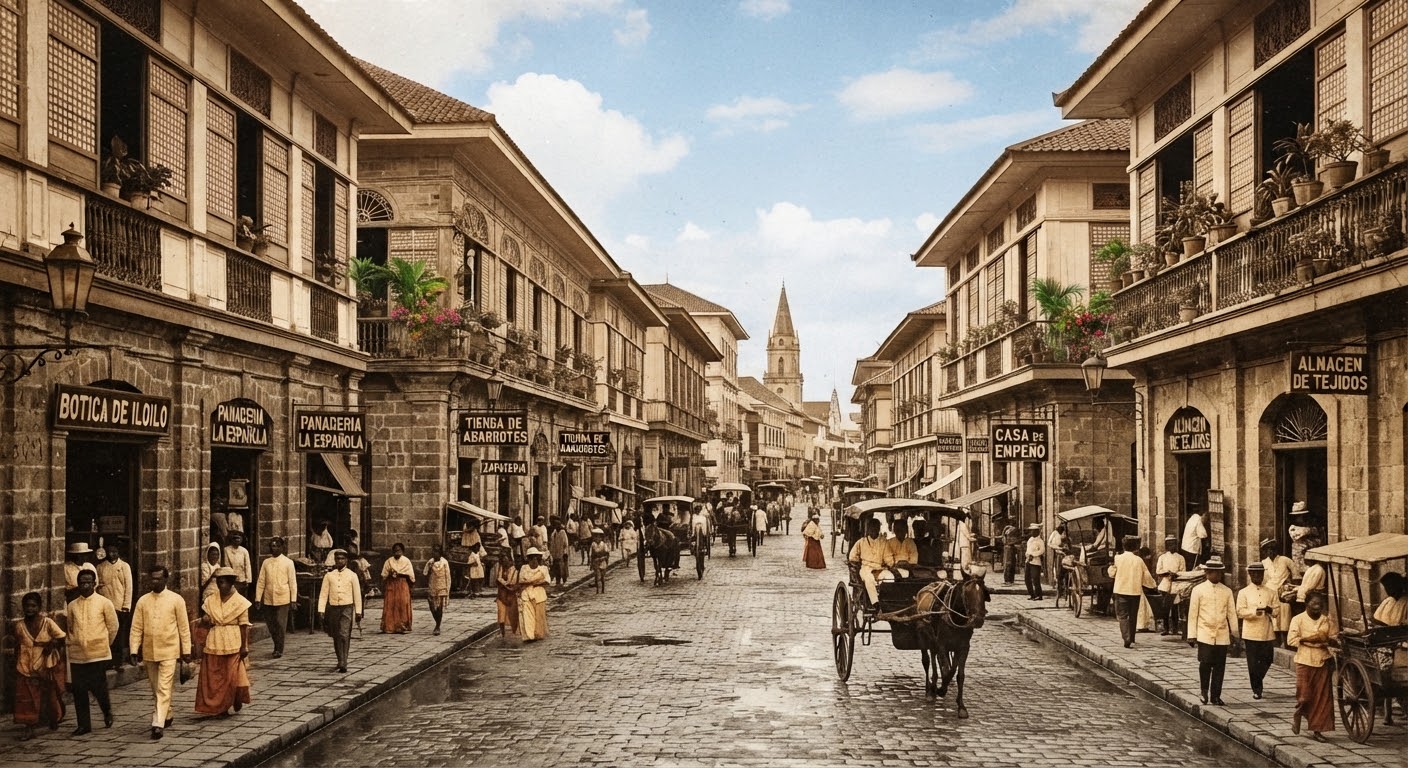
To understand why this Spanish-influenced dish became part of Ilonggo life, it helps to look at Iloilo’s colonial-era development. During the 19th century, Iloilo grew into an important center of commerce, especially as the sugar industry expanded and connected the region to global trade. Sugar wealth created new buying power and a more outward-looking elite, while foreign trade brought in goods, habits, and tastes that helped shape local consumption. As wealth increased, many families had greater access to ingredients and cooking styles associated with more Westernized or affluent lifestyles. Food became one way this social change was expressed.
Iloilo’s port opened to international shipping in 1855, accelerating the flow of people, goods, and ideas. Foreign merchants, Chinese traders, and Spanish officials mingled in the city, and their presence influenced local tastes. Imported items such as soy sauce, refined sugar, and certain cuts of meat became more available. At the same time, local products like muscovado, coconut vinegar, and root crops remained staples. The meeting of these worlds in the marketplace eventually showed up on the dinner table.
This is where lengua estofado fits into the story. Dishes like lengua estofado were not everyday peasant fare in their earliest forms; they were often associated with special tables, festive occasions, and families that could afford imported or prestige ingredients. Ox tongue itself carried a sense of refinement because it required care, time, and skilled cooking to prepare properly. In a society becoming more connected to trade and Spanish cultural influence, serving a dish like lengua estofado could signal status, hospitality, and a familiarity with colonial-era tastes. Over time, however, what began as an elite or festive dish gradually became familiar to more households.
Sugar played a particularly important role. The rise of haciendas and sugar centrals created a class of wealthy families who could host elaborate meals. These households often employed cooks trained in Spanish or mestizo styles, and their kitchens became laboratories for fusion cuisine. Lengua estofado, with its Spanish name but Filipino ingredients, fit perfectly into this emerging culinary identity. It was sophisticated enough for guests, yet adaptable enough to be made with what was on hand.
The connection between sugar and lengua estofado is not just economic but also sensory. The sweetness that defines many Ilonggo dishes—kuekuek, piaya, binagol, and even savory stews—reflects the region’s sugar heritage. In lengua estofado, that sweetness is not an afterthought; it is central to the dish’s character. Sugar, vinegar, and soy sauce create a glaze that clings to the tongue slices, balancing richness with brightness. This flavor profile is unmistakably Ilonggo.
Ilonggo Adaptation
The Ilonggo version is especially interesting because it reflects the region’s own culinary personality. Ilonggo cooking is known for a fondness for sweetness, and that preference appears clearly in lengua estofado, where sugar and fruit often play a major role. Muscovado sugar, coconut vinegar, and saba bananas are not random additions; they show the blending of Spanish technique with local materials and local taste. This is how a colonial dish becomes regional heritage: the structure remains recognizable, but the flavor identity changes.
While Spanish estofado might rely on wine, tomatoes, and olives, the Ilonggo lengua estofado leans on tubâ or coconut vinegar, soy sauce, and sometimes pineapple or saba. These substitutions are not compromises; they are creative responses to what is available and what is loved. The result is a dish that feels familiar to Filipinos but still carries the prestige of its Spanish-sounding name.
The rise of Spanish-influenced dishes in Iloilo also reflects a broader cultural shift. As sugar production expanded and the local economy became more commercial, some Ilonggos adopted more Westernized habits in dress, lifestyle, and food. Colonial contact did not erase indigenous identity, but it did reshape the food landscape in visible ways. Dishes with Spanish names, such as estofado and lengua estofado, became part of the language of prestige and celebration. In this sense, the kitchen became a place where history was tasted, not just remembered.
Regional variation also matters. In some towns, lengua estofado is cooked with more vinegar for a sharper bite; in others, it is sweeter and glossier, almost like a dessert stew. Some families add hard-boiled eggs or peas for color; others keep it simple with just meat and sauce. These variations are not errors—they are signs of a living tradition, one that changes slightly with each cook and each generation.
Why It Still Matters
Lengua estofado survives today because it carries both nostalgia and identity. For many families, especially in the Visayas, it is a dish associated with holidays, gatherings, and the passing down of recipes from one generation to the next. It reminds us that food history is rarely about one origin alone. Instead, it is a layered story of colonization, adaptation, regional taste, and family memory. That is why lengua estofado remains meaningful in Ilonggo households: it is Spanish in name, Filipino in practice, and Ilonggo in spirit.
In a time when fast food and global chains are everywhere, dishes like lengua estofado offer a counterpoint. They require time, attention, and knowledge that cannot be downloaded or delivered. They connect people to their ancestors, to the land that produced their ingredients, and to the history that shaped their region. Cooking lengua estofado becomes an act of preservation, a way of saying: this is who we are, and this is how we remember.
For younger Ilonggos, especially those living outside the region or abroad, lengua estofado can be a taste of home. It appears at Christmas reunions, wedding receptions, and town fiestas, often alongside other heritage dishes like pancit molo, kBL (kansi, bulalo, laswa), and inasal. Together, these foods form a culinary map of Ilonggo identity, one that is both local and connected to larger historical currents.
Documenting dishes like lengua estofado is also a way of resisting cultural erasure. As global tastes homogenize, regional cuisines risk being flattened into generic “Filipino food.” But Ilonggo cuisine is not just a subset of national cuisine; it is a distinct tradition with its own logic, flavors, and stories. By writing about lengua estofado, we affirm that these stories matter—and that they deserve to be told.
Recipe Notes and Variations
While this article focuses on history, it is worth noting that lengua estofado is not a fixed recipe. Different families and towns have their own versions, and all are valid. Below are common elements and variations you might encounter:
- Base ingredients: Beef tongue, garlic, onion, bay leaves, soy sauce, vinegar or tubâ, sugar (muscovado or brown), water or broth.
- Common additions: Saba bananas, potatoes, carrots, pineapple chunks, mushrooms, hard-boiled eggs, green peas.
- Flavor balance: Some versions are sweeter, others more tangy or salty. The ratio of sugar to vinegar to soy sauce varies by household.
- Cooking method: Tongue is usually boiled first to soften, then peeled, sliced, and braised in the sauce until tender and glazed.
- Serving: Often served with steamed rice, sometimes with a side of atchara or pickled vegetables to cut the richness.
If you are cooking lengua estofado for the first time, do not worry about getting it “perfect.” The dish is forgiving, and its beauty lies in how it reflects your own kitchen and family. Taste as you go, adjust the sweetness and tang to your liking, and let the sauce reduce until it clings to the meat. That glossy, dark glaze is the hallmark of a well-made lengua estofado.